Selecting the appropriate a/c for your home needs a clear understanding of your details cooling needs. You'll require to evaluate your area dimensions and compute the called for BTU ability based on those measurements. Variables like environment, insulation, and sunshine can considerably influence your decision. In addition, comprehending the different types of systems readily available can aid limit your alternatives. Let's check out exactly how each element affects your last option.
Key understandings
- Action your area measurements and compute square video to establish BTU needs, going for 20 BTUs per square foot. Consider your regional environment; hotter or extra damp locations call for higher BTU capabilities for efficient cooling. Examine insulation high quality, ceiling height, and home window dimension, readjusting BTUs for sunlight exposure and shading. Select an air conditioning unit with a high SEER ranking for better power effectiveness and lower energy bills. Choose the type of device (window, central, mobile, ductless, or geothermal) based on your air conditioning needs and room demands.
Recognizing Your Air Conditioning Requirements
Exactly how do you figure out the best dimension a/c unit for your space? Beginning by examining your cooling ability requires, which is measured in BTUs (British Thermal Systems). Determine the area of your area in square feet, as bigger rooms need even more BTUs. Don't neglect climate factors to consider; if you live in a specifically warm or humid area, you'll need a system with a higher ability to maintain comfort. Additionally, consider insulation high quality, ceiling height, and the variety of windows, as these elements additionally affect the a/c's effectiveness. By thoroughly evaluating these variables, you can ensure you select an air conditioning unit that satisfies your particular cooling demands, optimizing both performance and power efficiency.
Choosing the Right Size Air Conditioner
Picking the best size air conditioning system is important for accomplishing perfect comfort and energy efficiency in your room. To establish the appropriate air conditioning capability, you'll need to assess your space measurements. Measure the length and size of the location, then multiply these numbers to get the square video. For a general standard, aim for 20 BTUs (British Thermal Units) of cooling down capability per square foot of living space. If your area has high ceilings, huge home windows, or gets considerable sunshine, you might need to boost this number. Alternatively, if the room is shaded or has insulation, you can a little decrease it. Appropriate sizing prevents overcooling or undercooling, ensuring your ac unit runs efficiently and keeps an enjoyable environment.
Energy Effectiveness Rankings Discussed
Understanding energy performance rankings is essential when choosing an a/c, as these metrics directly influence both your utility costs and environmental impact. The Seasonal Energy Effectiveness Ratio (SEER) steps cooling down effectiveness over a whole period, with greater SEER scores showing better energy efficiency. For example, a device with a SEER of 16 is a lot more reliable than one with a SEER of 12. On the other hand, Power Efficiency Proportion (EER) reflects effectiveness at a particular temperature, normally determined at 95 F. It's important to take into account both scores, as they help you assess recurring energy prices. Choosing a system with high SEER and EER scores can cause substantial savings and reduced environmental effect over its lifespan, making your financial investment worthwhile.

Sorts Of A/c Solutions
When it comes to air conditioning systems, you'll run into several unique types, each created to fulfill particular cooling down needs and choices. Window systems are optimal for solitary rooms, supplying an inexpensive and straightforward installment. Central systems great your entire home efficiently but require ductwork. If you're seeking flexibility, portable options permit you to move cooling power from space to room. Ductless versions supply targeted air conditioning without air ducts, making them great for renovations. Split systems combine interior and outdoor systems, providing reliable cooling tailored to your spaces. For a green option, geothermal systems take advantage of the planet's temperature to give reliable and sustainable air conditioning. Comprehending these alternatives will assist you pick the ideal system for your home.
Installment and Maintenance Considerations
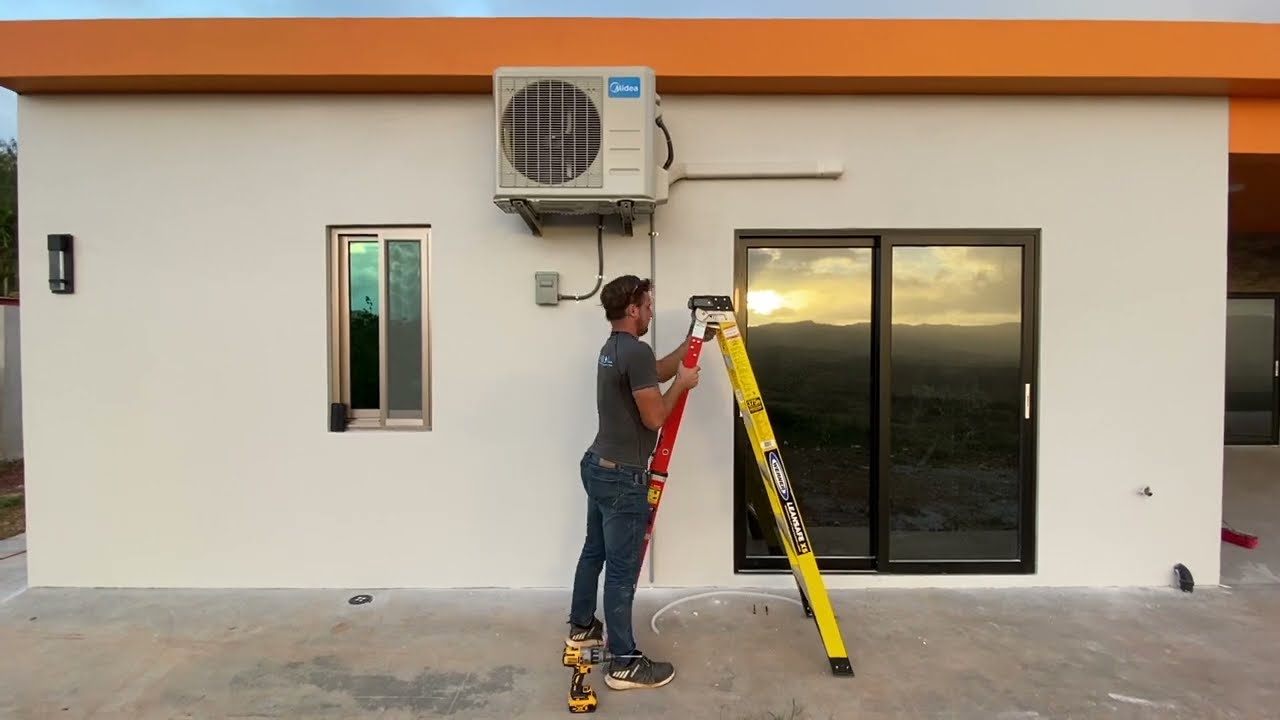
Correct setup and normal upkeep are important for making best use of the effectiveness and lifespan of your cooling system. Throughout the setup process, make sure you work with a certified technician that adheres to maker standards and regional codes. This guarantees perfect air flow and cooling agent degrees, preventing early break downs. After setup, develop a routine for maintenance. Utilize these upkeep tips: clean or replace filters monthly, look for cooling agent leakages, and make sure the outside unit is devoid of debris. Furthermore, timetable specialist assessments each year to catch potential problems early. By focusing on proper installation and recurring upkeep, you'll not just improve your a/c's efficiency however additionally lengthen its functional life, ultimately saving you cash over time.
Often Asked Questions
What Is the Life expectancy of a Common Air Conditioning Unit?
A common a/c lasts around 15 to two decades, depending on numerous factors. You can enhance its life-span through normal cooling system upkeep, making certain peak air conditioning unit effectiveness. Neglecting upkeep can cause deterioration, minimizing effectiveness and durability. Maintaining the filters tidy, checking cooling agent levels, and organizing professional evaluations can significantly boost efficiency and extend your system's life. So, stay aggressive to get the most out of your investment.
Exactly how Often Should I Replace My A/c Unit Filters?
You need to change your air conditioner filters every 1 to 3 months, relying on the filter kinds and filter maintenance practices. High-efficiency filters may last much longer, while standard fiberglass filters might require a lot more regular changes. Frequently inspecting and changing filters assists preserve excellent air movement, improves indoor air quality, and prolongs your system's lifespan. Staying on top of this basic job assurances your ac unit runs successfully and reduces energy costs.
Can I Install an Ac System Myself?
Yes, you can mount an a/c unit on your own. Nevertheless, DIY setup calls for mindful planning and interest to information. First, ensure you have the right devices and adhere to the supplier's guidelines very closely. Do not neglect to take safety and security preventative measures, like switching off source of power and wearing safety equipment. If you're unsure regarding electric elements or cooling agent handling, it's best to seek advice from a professional. Correct installment is essential for performance and longevity of your unit.
What Are Common Indicators My Ac Unit Demands Services?
If you're seeing airflow issues, like weak or inconsistent air from your vents, it's a sign your a/c unit might require fixings. Additionally, focus on any type of uncommon sounds, such as grinding or rattling audios, which can show mechanical problems. Other warnings include boosted power expenses or constant cycling on and off. Dealing with these problems quickly can stop a lot more considerable damage and ensure your system runs efficiently.
How Do I Winterize My Air Conditioning Unit?
To winterize your air conditioner, you'll want to start with thorough seasonal prep work. First, shut off the power and clean the device, getting rid of debris and dirt. Then, cover the outdoor unit with a weatherproof tarpaulin to shield it from snow and ice. In addition, check and tidy the condensate drain to stop hvac system obstructions. Lastly, routine wintertime upkeep for an inspection, ensuring your system's all set to go when warmer weather returns.
Summary
In recap, selecting the appropriate ac unit for your home hinges on recognizing your specific cooling requirements and the elements impacting them. By accurately sizing your system, considering power performance ratings, and picking the appropriate system type, you can optimize comfort and decrease energy expenses. Do not forget to factor in installation and upkeep to ensure your a/c runs efficiently over time. With mindful factor to consider, you'll create a comfy and energy-efficient setting in your home.